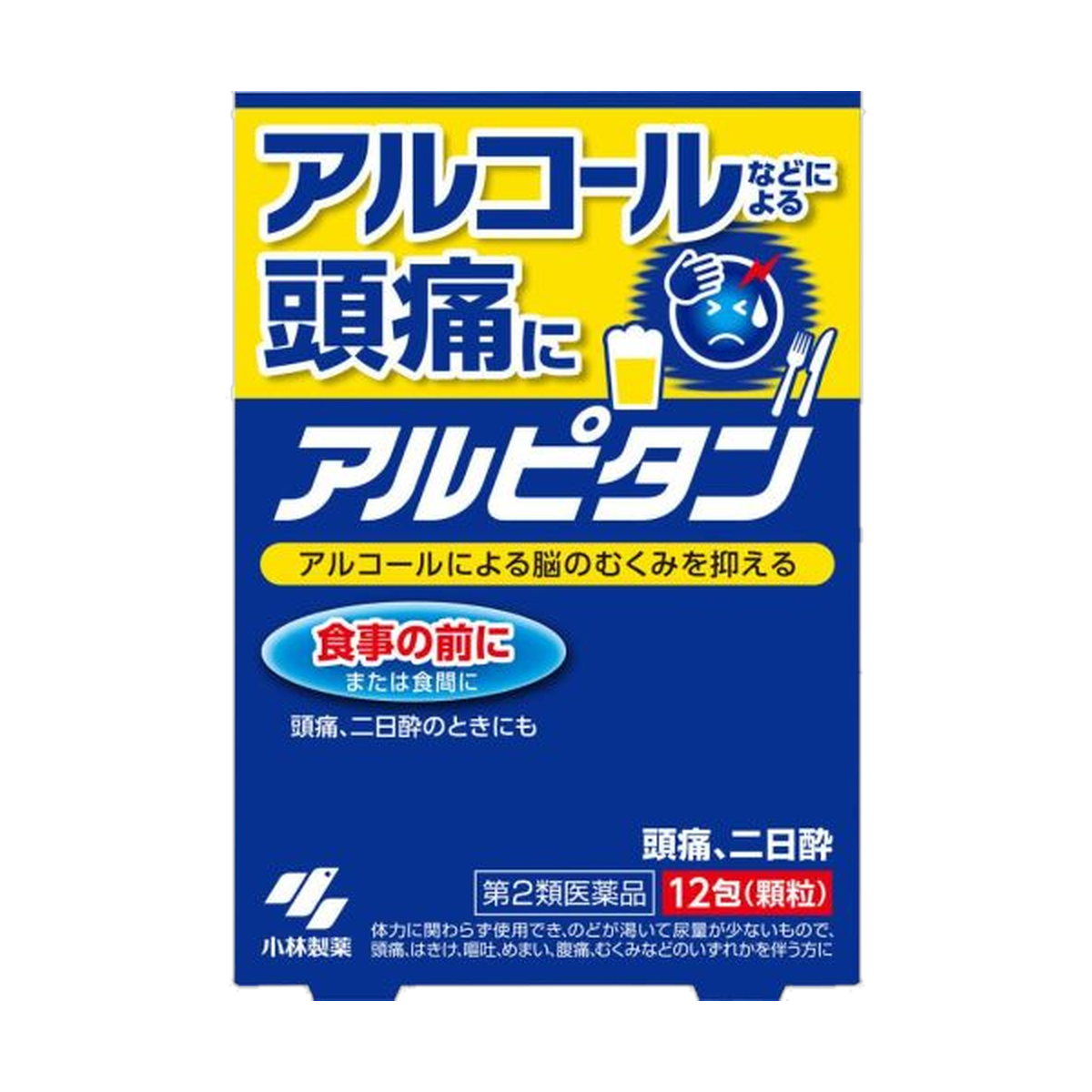
Alpitan
アルピタンThe classical Kampo formula Goreisan (五苓散), packaged in granule sachets by Kobayashi Pharmaceutical — a 140-year-old Osaka maker.
- Ships
- Cold-chain from Osaka · arrives in 2–4 days
- Returns
- 30 days, free return postage, unopened packs
- Card
- Authorized now · only charged if shipment clears
What Alpitan is
Alpitan is Kobayashi Pharmaceutical's OTC Kampo (traditional Japanese herbal) formulation of Goreisan (五苓散) — a classical five-plant formula. Each sachet contains 1.0 g of Goreisan extract, concentrated from five crude drugs: takusha (Alisma rhizome, 5.0 g crude), chorei (Polyporus sclerotium, 3.0 g), bukuryo (Poria cocos / hoelen, 3.0 g), byakujutsu (Atractylodes rhizome, 3.0 g), and keihi (cinnamon bark, 2.0 g). Granules dissolve in water and absorb faster than pressed tablets. The full retail box ships as 12 sachets — a week or two of daily use depending on how you pace it.
Where it sits in Japan
Kampo (漢方) is Japan's regulated tradition of herbal medicine — formulas derived from classical Chinese texts but adapted to Japanese clinical practice over the past thousand years. Goreisan specifically dates back to the Shang Han Lun (傷寒論), a Chinese medical text compiled around 200 CE, making the formula roughly 1,800 years old. Under Japan's Ministry of Health, Labour and Welfare (MHLW), 148 Kampo formulas are covered by national health insurance when prescribed by a licensed physician; Goreisan is one of them. Kobayashi's OTC version (Alpitan) is sold at regular pharmacies without prescription — it's the consumer-accessible version of a formula that a Kampo physician might prescribe for specific clinical indications in Japan.
Inside the bottle
Per 1.0 g sachet, the Goreisan extract is concentrated from 16 g of combined crude drugs: Alisma (takusha) 5.0 g, Polyporus (chorei) 3.0 g, Poria cocos (bukuryo) 3.0 g, Atractylodes (byakujutsu) 3.0 g, cinnamon bark (keihi) 2.0 g. In traditional Kampo diagnostic terms, the formula is classified as addressing what's called suidoku (水毒) or "water imbalance." The scientific research base on Goreisan is substantial in Japan — it's studied in Japanese clinical research for a range of indications, though no single indication is universally endorsed and indication claims are not permitted in the US market. Excipients in the sachet (lactose hydrate, hydroxypropylcellulose, light anhydrous silicic acid, magnesium stearate) are inactive binders.
About Kobayashi Pharmaceutical
Kobayashi Pharmaceutical was founded in 1886 in Osaka and has been a household name in Japanese consumer health for over 140 years — the company is known in Japan for everyday OTC products like Sarasaty (feminine care), Netsusama Sheet (cooling forehead patches), and Kabanorikiya (heel balm), among dozens of others. The company trades on the Tokyo Stock Exchange. Their Kampo line is a smaller, more specialized product family within the broader consumer-health portfolio.
How we source and ship it
We buy Alpitan in full box quantities from Kobayashi's domestic distribution channels in Japan, consolidated at our Osaka forwarder, and flown to the US. The sachets are lightweight and pack-dense, so freight cost per unit is the lowest of our four SKUs. FDA overlabeling is mandatory for Kampo-containing products because some of the crude drugs (e.g., cinnamon, atractylodes) must be declared in English under US supplement-labelling rules — this adds a small English label at our US 3PL before the product ships to you.
What this product is not
Alpitan is classified as a dietary supplement containing traditional herbal ingredients in the US. It is not a drug and has not been approved or evaluated by the FDA. We cannot and do not make any Kampo-specific medical claims for the US market. Any traditional-medicine context described above is provided for educational background, not as a clinical recommendation. Contains lactose (a milk-derived excipient) — not suitable for those with lactose intolerance. Consult a healthcare professional before use, especially if you are pregnant, nursing, under 20, or taking any medication. Kampo formulations can interact with prescription drugs.
What’s actually in each sachet.
Lactose hydrate · Hydroxypropylcellulose · Light anhydrous silicic acid · Magnesium stearate
- · Contains lactose (milk-derived excipient)
Values per 1.0 g sachet, from Kobayashi's Japanese product label. Complete Japanese supplement-facts panel ships with every pack; US English overlabel added at our 3PL before dispatch.
Questions about Alpitan
- What is Kampo?
- Kampo (漢方) is Japan's regulated tradition of herbal medicine, adapted over the last thousand years from classical Chinese herbal texts. In Japan, 148 Kampo formulas are covered by national health insurance when prescribed by a licensed physician, and the Japanese Ministry of Health, Labour and Welfare (MHLW) regulates quality standards for the ingredients. It is a distinct tradition from Chinese herbal medicine (TCM) in terms of diagnostic framework and typical dosing, though they share many formulas.
- What is Goreisan?
- Goreisan (五苓散) is one of the oldest Kampo formulas, dating to the Shang Han Lun around 200 CE. It's a five-herb combination: Alisma, Polyporus, Poria cocos, Atractylodes, and cinnamon bark. In Japan it's commonly dispensed as a granule for dissolution in water. The MHLW-approved indications in Japan are not permissible marketing claims in the US, so we don't repeat them on the product page.
- Is Alpitan the same as Tsumura's Goreisan?
- Both are Kampo extracts of the same Goreisan formula, but they're made by different manufacturers. Tsumura is a pharmaceutical-grade Kampo line primarily sold through licensed clinics and pharmacies in Japan and covered by insurance when prescribed. Alpitan is Kobayashi's OTC consumer-health version — same traditional formula, packaged for direct retail.
- How do I take the granules?
- Empty one sachet into a small glass of warm water, stir briefly, and drink. The Japanese product label gives adult dosing. We do not provide usage guidance beyond what appears on the label. Consult a healthcare professional for dose-specific advice.
- Does it contain animal products or gluten?
- No animal-derived ingredients in the formula itself. The excipients are lactose hydrate (milk-derived), hydroxypropylcellulose, silicic acid, and magnesium stearate. Not gluten-containing. Contains milk sugar (lactose).
- Can I take it with other medications?
- Kampo formulations can interact with prescription drugs, particularly diuretics, blood-pressure medication, and some heart medications. Alpitan's herbs include Alisma and Polyporus, which have diuretic effects in traditional use. Talk to your doctor or pharmacist before combining with any prescription medication.
- Is the formula "natural" or "herbal"?
- It is a herbal formulation made from dried plant material extracted into granule form. We avoid the word "natural" because it's not a regulated term and implies things that may not be accurate — Kampo formulations are processed, standardized, and use excipients to form the granule. What we can say accurately: the active ingredients are plant-derived, the formula is a classical one dating back ~1,800 years, and Kobayashi has been manufacturing consumer-health products in Osaka for 140 years.
- Why the small 12-sachet box?
- That's the retail pack size Kobayashi sells in Japanese pharmacies. It's a reasonable amount to try a formula without committing to a larger supply. If Alpitan becomes part of your routine, we'll stock larger boxes in later drops.
Three more packs from the same pharmacy shelf.
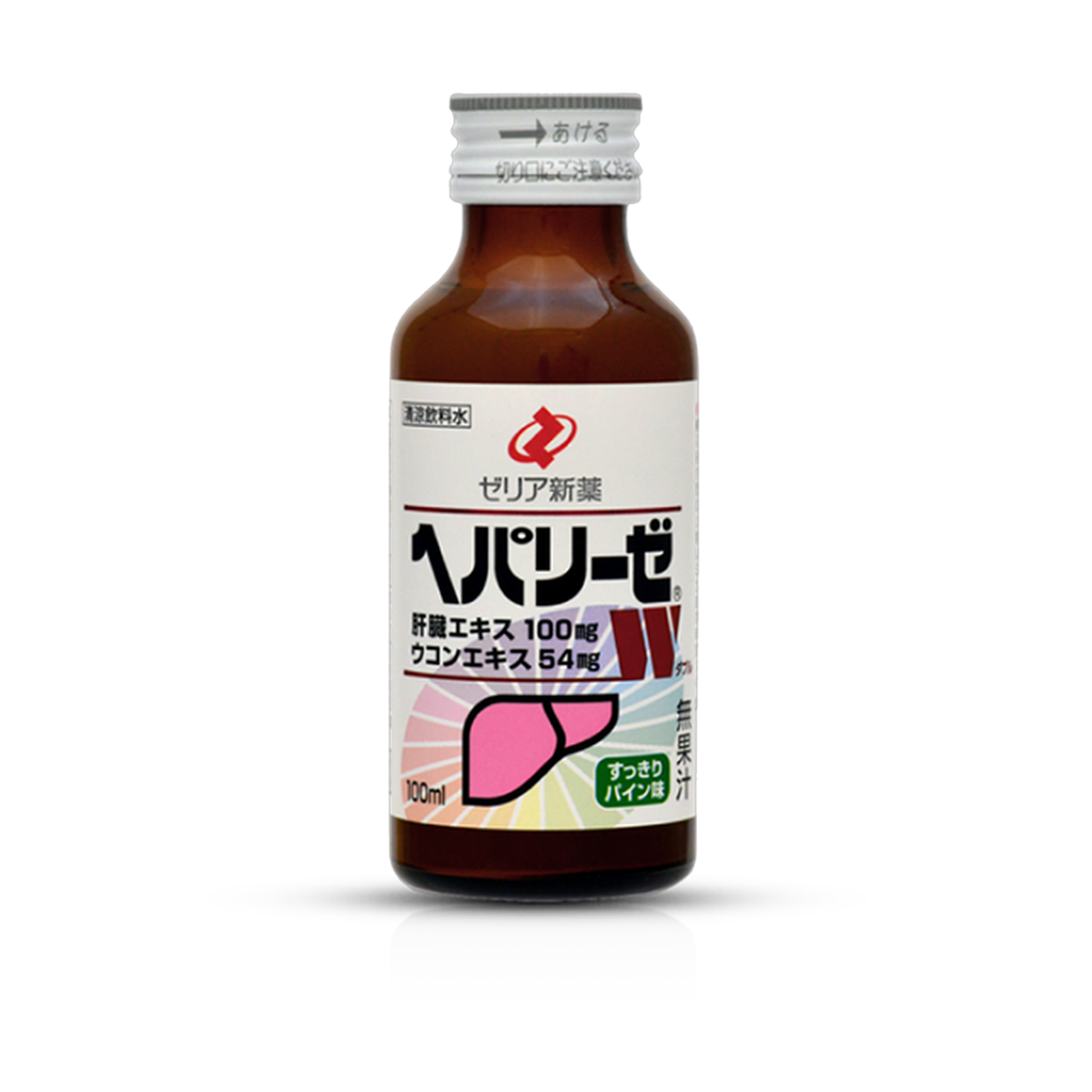 Hepalyse Wヘパリーゼ W · Zeria Pharmaceutical$69.00 →
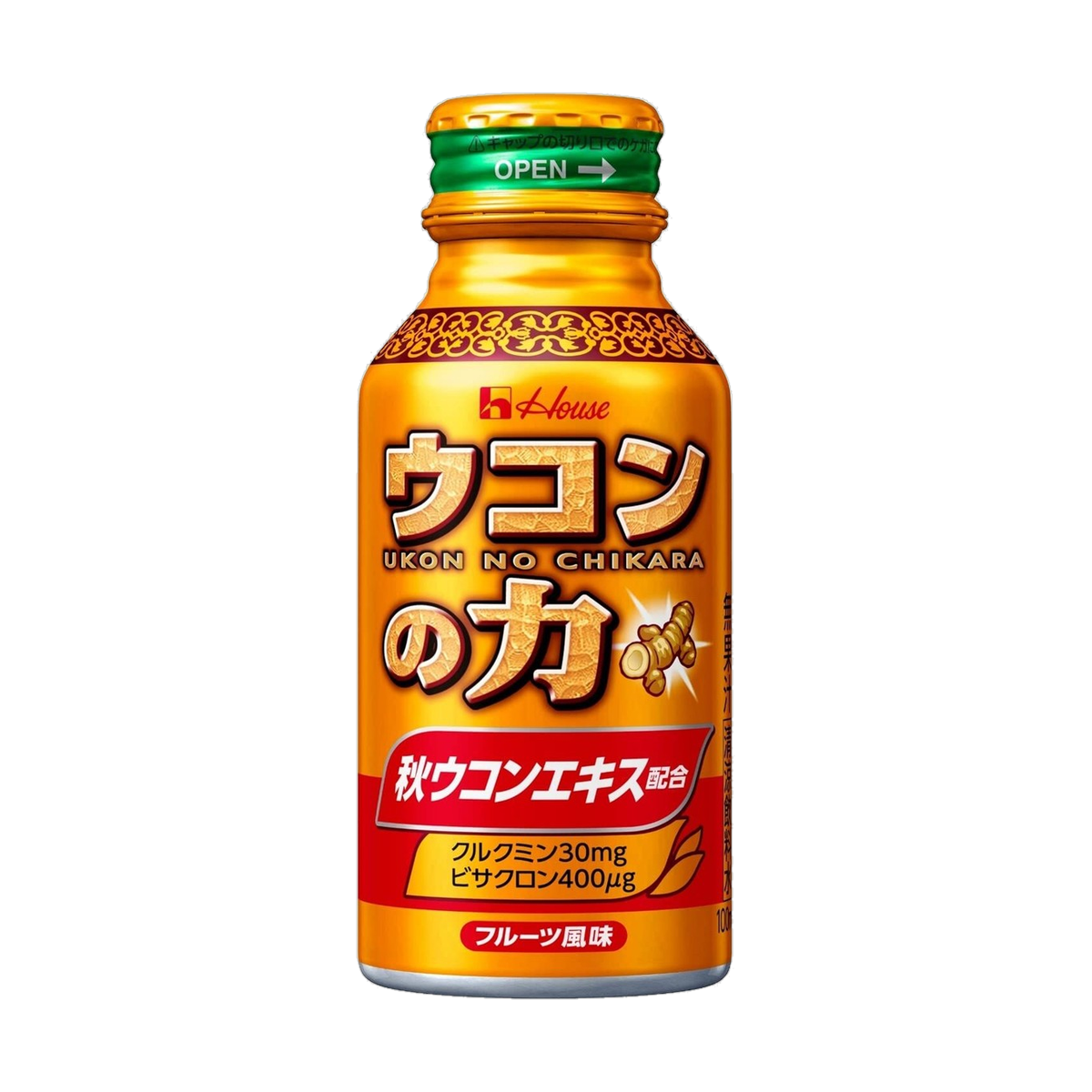 Ukon no Chikaraウコンの力 · House Foods$32.00 →
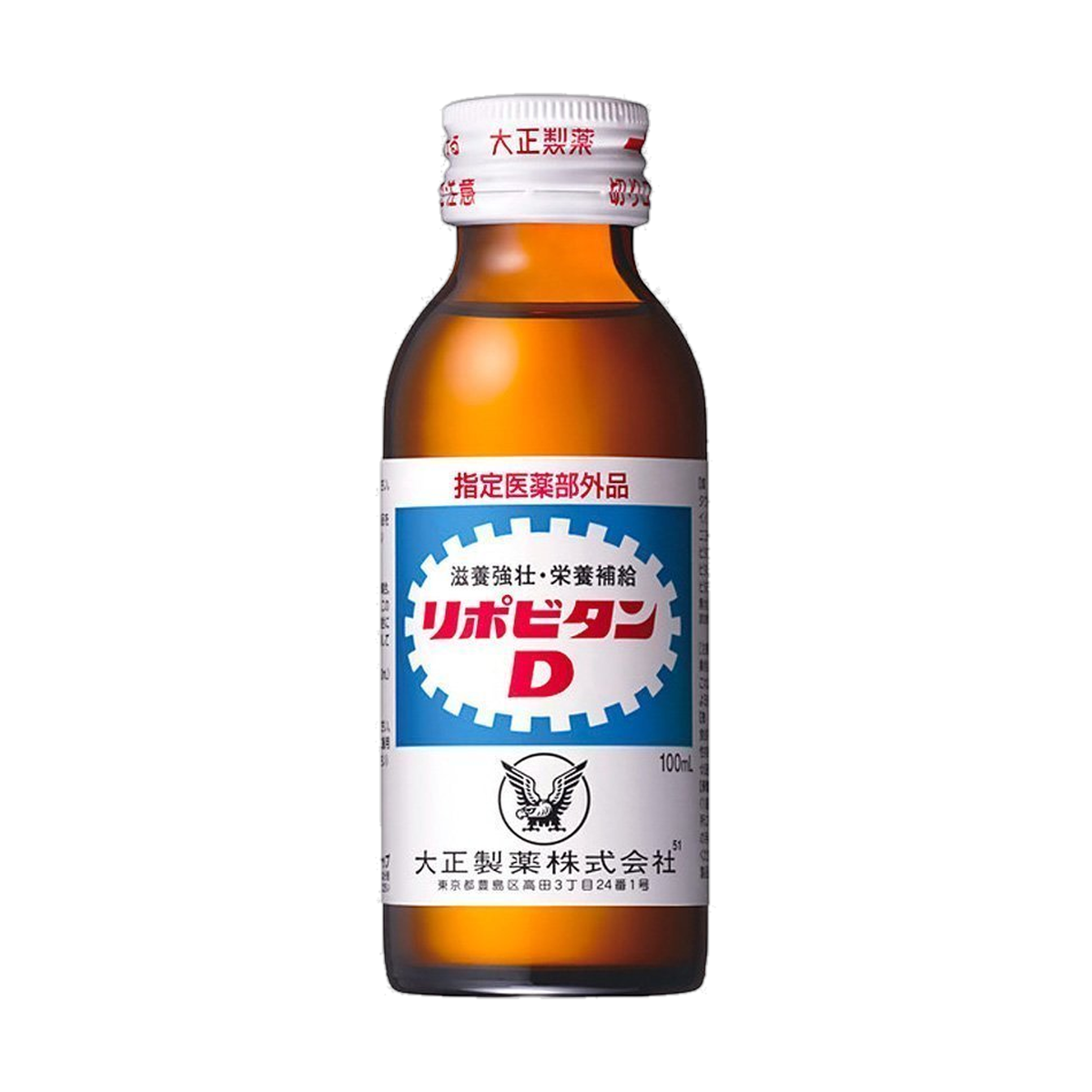 Lipovitan DリポビタンD · Taisho Pharmaceutical$39.00 →
The Full Shelf — one pack of each, $151.00.
Save $17.00 vs buying individually. One bigger parcel, one cold-chain run.